


 To train more than 100 rural producers in sustainable agricultural practices. To implement educational plots as centers for hands-on learning. To foster rural networks of agricultural knowledge and innovation. To promote soil restoration and the reduction of agrochemical use.

Educational: Increased technical and environmental knowledge in rural communities. Economic: Increased productivity and reduced costs through eco-efficient technologies. Social: Strengthening local leadership and participation of rural youth. Environmental: Protection of water, soil, and biodiversity.

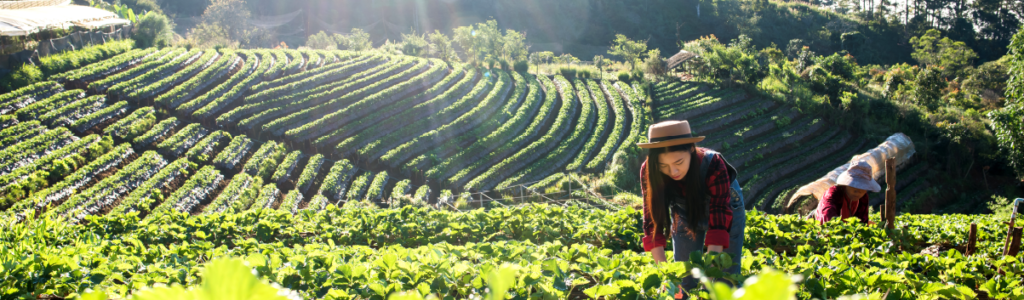
One operational and accessible agroecological showroom. Demonstration crops using eco-efficient technologies. Rural producers trained in sustainable practices. Technical manual on high-altitude agriculture and regenerative soil management.
Environmental: soil restoration and rational water use. Economic: diversification of rural income through innovative crops. Social: strengthening local capacities and rural knowledge networks. Educational: creation of a permanent space for innovation and technology transfer.


Agricultural technologies identified, evaluated, and adapted. Technological pilot projects implemented Strengthened technical capacities. Formalized strategic alliances. Systematizations, studies, and communication materials produced Increased adoption of inclusive and eco-efficient technologies. Reduction of gender gaps. Improvements in productive efficiency and time management. Greater access to differentiated markets.
Transformation of the agricultural production system. Economic and technological empowerment of rural women and youth. More resilient and competitive rural economies. Generation of applied and replicable knowledge. Direct contribution to SDGs 2, 5, 8, 9, 10, and 12.

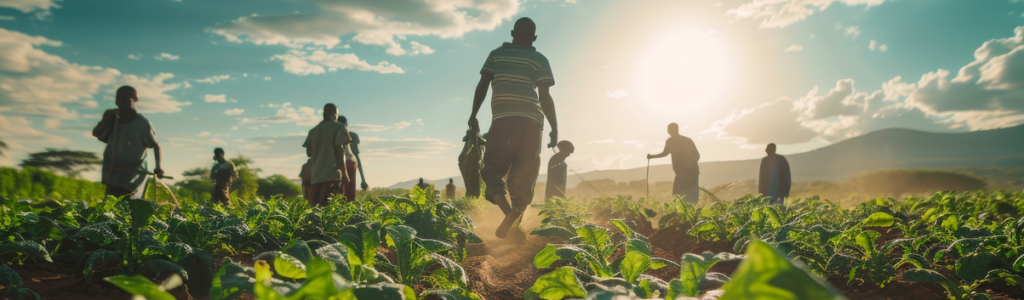
Empowered women and youth. Strengthened producer organizations. Implemented rural business plans. Established trade links. Increased and diversified income for rural households. Greater access to productive assets and financial services. Sustained improvements in family quality of life. Strengthened social cohesion.
More inclusive, resilient, and sustainable rural economies. Structural reduction of gender gaps. Economic and social empowerment of women and youth. More organized rural communities, better integrated into markets. Direct contribution to SDGs 1, 5, 8, 10, and 12.